Interior design is often associated with style, trends, and decoration. Yet a growing body of research in environmental psychology, architecture, and public health shows that the spaces we inhabit have a profound influence on our mental and emotional well-being.
We spend the majority of our lives indoors, at home, at work, or in social spaces. As a result, interior design is not merely aesthetic. It directly shapes how we feel, think, interact, and recover from stress.
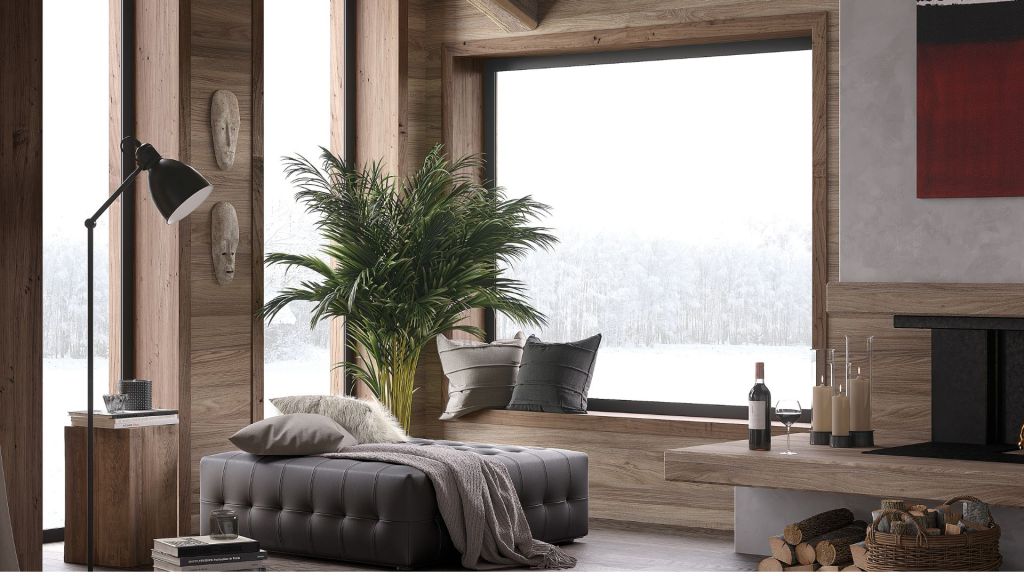
How the Built Environment Affects Mental Health
Research across multiple disciplines shows that the built environment has both direct and indirect effects on psychological well-being. Factors such as housing quality, spatial layout, and opportunities for privacy or social interaction can influence stress levels, mood, and mental health outcomes.
For example:
- Poor housing conditions are associated with increased psychological distress.
- Crowded living environments are linked to higher risks of depression due to space-related stress.
- Design elements that allow control over social interaction, such as furniture arrangement and privacy, affect mental well-being.
These findings confirm a simple but powerful idea: the quality of our interior environments shapes our mental state.
Key Interior Design Factors That Influence Wellbeing
Recent reviews of interior design and health research identify several core factors that affect mental well-being. These include:
- Natural lighting
- Thermal comfort and air quality
- Spatial layout
- Accessibility and movement
- Furniture and ergonomics
- Areas for rest and relaxation
Studies show that improvements in natural lighting, for example, can significantly enhance emotional well-being in residential environments.
Similarly, sensory qualities of spaces, such as texture, colour, and acoustics, play a role in emotional regulation, particularly in environments designed for healing or recovery.
Space, Emotion, and Human Experience
Interior environments are not neutral containers. They actively shape behaviour, mood, and cognitive states. Design choices can influence stress, creativity, productivity, and social interaction.
Research in environmental psychology also shows that:
- Curved and softer spatial forms tend to evoke more positive emotional responses than sharp, angular environments.
- Access to social spaces and meaningful interaction reduces loneliness and improves mental health.
In other words, the emotional quality of a space is not accidental. It is designed.
The Concept of Healing and Supportive Interiors
In recent years, the idea of “healing spaces” has gained attention in both healthcare and residential design. Studies suggest that carefully designed environments can support emotional regulation and recovery, especially for individuals experiencing mood disorders.
Design interventions that focus on sensory balance, natural materials, and human-scaled environments have been shown to:
- Improve mood
- Increase sense of agency
- Strengthen emotional connection to space
These findings highlight the therapeutic potential of interior design when it is approached with care and intention.
Beyond Aesthetics: Design as a Mental Health Resource
Interior design is increasingly recognised as part of a broader system of health and wellbeing. The built environment influences:
- Stress levels
- Social connection
- Sense of belonging
- Emotional comfort
- Cognitive performance
Rather than being a luxury, thoughtful interior design can be understood as a preventive and supportive mental health strategy.
The Narrative Dwelling Perspective
At Narrative Dwelling Design, we approach interiors not as visual compositions alone, but as lived environments shaped by personal stories.
Research confirms what many people intuitively feel:
- Light changes mood.
- Space affects stress.
- Materials and textures influence comfort.
- Layout shapes relationships and routines.
Our design process begins with listening, understanding each client’s narrative, and translating it into a space that supports wellbeing, calmness, and meaning.
Because a home is not just where we live.
It is where our mental and emotional lives unfold.
References
- Evans, G. W. (2003). The built environment and mental health. Journal of Urban Health.
- Tawil, N. et al. (2021). The living space: Psychological well-being and mental health.
- Yan, S. et al. (2024). Healing spaces as a design approach to optimize emotional regulation.
- Yu, Y. W. et al. (2025). Impact of interior design factors on health of older adults: A scoping review.
- Morales-Bravo, J. et al. (2022). Natural lighting and emotional wellbeing in housing.
- Kong, X. et al. (2024). Built environment and mental health among older adults.
- Rehn, J. et al. (2022). Design strategies to influence behaviour and mental states.
 Narrative Dwelling Design
Leave a comment