Translating Human Stories into Living Spaces
Most interior design processes begin with measurements, materials, and visual styles. Yet the way people actually experience their homes rarely begins with objects or colours. It begins with memories, routines, emotions, relationships, and personal history. In other words, it begins with a story.
Research in interior architecture increasingly recognises that the environments we inhabit are deeply intertwined with the narratives of our lives. We do not simply occupy spaces; we interpret them, remember through them, and construct meaning within them. Our homes become the stage on which our lived experiences unfold.
The idea of design as narrative suggests that interior space can be understood in much the same way as a story. Just as narratives organise events, characters, and meanings over time, spatial environments organise experiences, movements, and emotional responses.
Design, therefore, is not merely the arrangement of furniture or the application of aesthetic principles. It is the shaping of an experiential environment, one that influences how people interact, how they feel, and how they interpret their everyday lives.
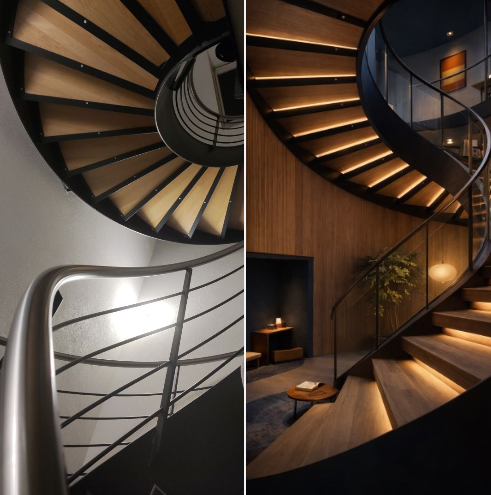
The Home as a Storied Environment
Narrative research in architecture argues that people live their lives as stories, and most of those stories unfold within interior spaces. Homes provide the settings for relationships, memories, rituals, and everyday encounters with the world.
When design focuses only on form, decoration, or function, it overlooks a crucial dimension of the built environment, the human experience of inhabiting it.
Narrative approaches shift attention away from purely visual or technical aspects of design and toward the relationships between people and environments. They ask questions such as:
- How does a person experience their home throughout the day?
- What memories or meanings are attached to particular objects or rooms?
- How do movement, light, sound, and atmosphere shape daily routines?
- How do personal histories and cultural backgrounds influence spatial preferences?
These questions reveal that the true outcome of design is not simply a building or interior, but an environmental situation, a living context where meaning is continuously produced and interpreted by its inhabitants.
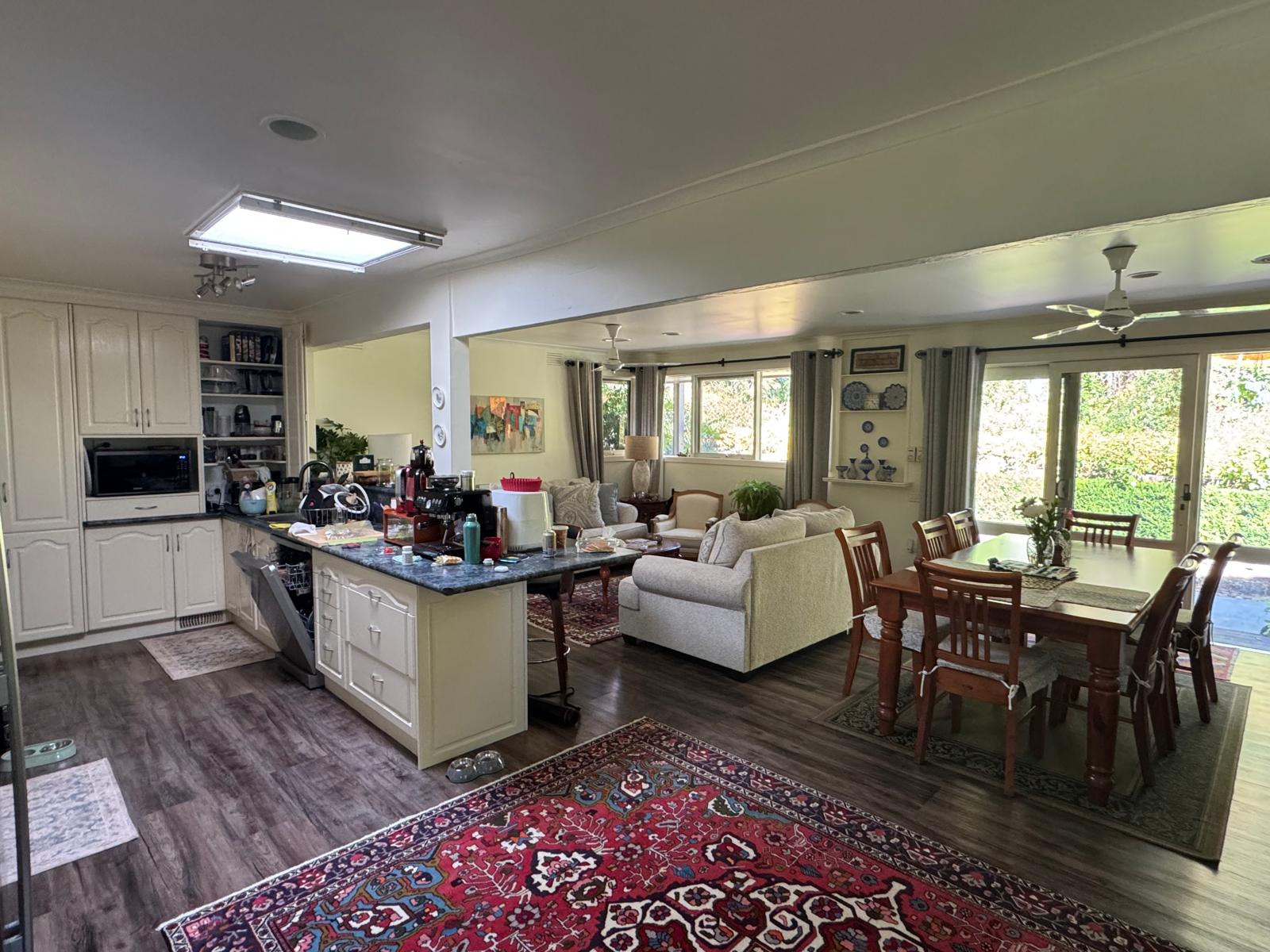
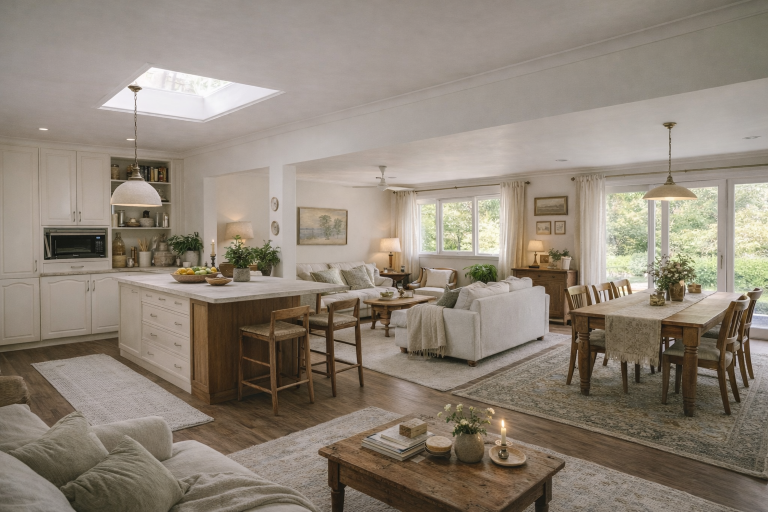
Phenomenology and the Experience of Space
Phenomenology, a philosophical approach to understanding lived experience, plays a key role in narrative design thinking. It emphasises how individuals perceive and interpret the world through their senses, memories, and emotions.
From a phenomenological perspective, environments are not neutral containers. They are experienced through:
- bodily movement
- sensory perception
- memory and imagination
- emotional associations
- cultural interpretation
Our understanding of space is therefore both personal and experiential. A room may evoke comfort, tension, nostalgia, or creativity depending on the individual who inhabits it.
Narrative design theory integrates this subjective experience with the symbolic language of architecture. Spaces become meaningful not only because of their physical form, but because of how they participate in human stories.
From Narrative to Design
Narrative theory suggests that environments can be interpreted through structures similar to those found in storytelling. Spaces unfold over time, contain symbolic elements, and influence emotional states.
Design decisions, therefore, shape a narrative experience. The sequence of rooms, the placement of objects, the flow of movement, and the atmosphere created by light or materials all contribute to how a person inhabits and interprets a space.
Interior design can be seen as a form of storytelling through spatial composition.
However, to design meaningful environments, designers must first understand the personal narratives of the people who will live in them.
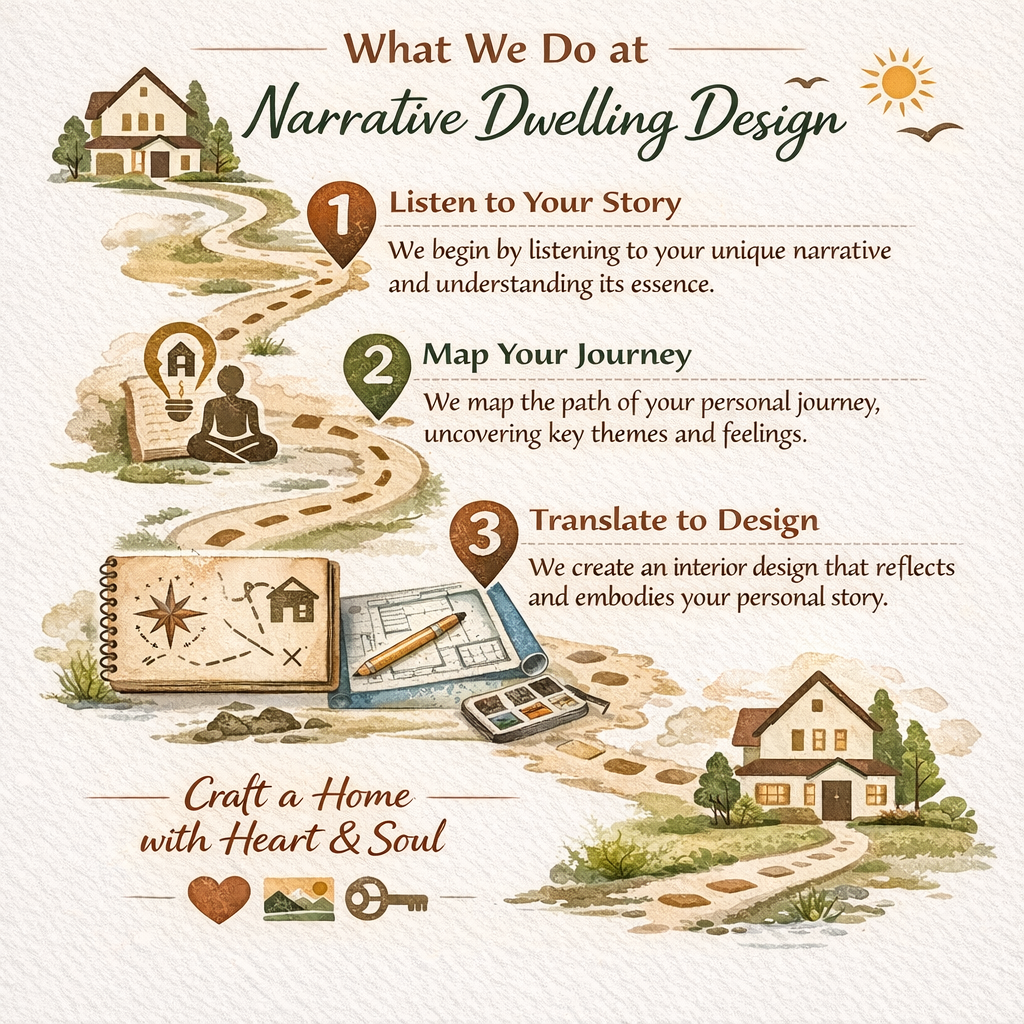
The Narrative Dwelling Design Approach
Narrative Dwelling Design builds on these theoretical foundations by transforming personal stories into spatial experiences.
Instead of beginning with style trends or predefined design templates, the process begins with the individual or family and their lived narrative.
Through guided conversations and reflective questionnaires, clients are invited to share aspects of their daily lives, memories, preferences, emotional relationships with space, and cultural influences.
These narratives form the basis for developing what can be described as a phenomenological map of the client’s experience.
This map is not a floor plan.
It is a conceptual representation of how a person relates to space, time, and environment.
It may reveal patterns such as:
- the desire for refuge or openness
- the importance of rituals and routines
- the need for social interaction or solitude
- sensory sensitivities to light, sound, or texture
- symbolic attachments to objects or memories
By interpreting these patterns, Narrative Dwelling Design translates human experience into spatial language.
The result is a design that does not merely decorate a home, but aligns the environment with the lived narrative of its inhabitants.
Designing Environments that Support Life
When a home reflects the narrative of its inhabitants, everyday life becomes more coherent and meaningful.
Spaces begin to support rather than interrupt daily rhythms.
Objects become meaningful rather than purely decorative.
Rooms invite the kinds of experiences their inhabitants value most.
In this way, design moves beyond aesthetics or function and becomes something deeper: a way of shaping environments that support human identity, relationships, and wellbeing.
Narrative Dwelling Design is built on a simple but powerful idea:
A home should not only look beautiful.
It should tell the story of the people who live in it.
References:
Ganoe, C. J. (1999). Design as Narrative: A Theory of Inhabiting Interior Space. Journal of Interior Design, 25(2), 1–15.
Smith, Dianne. (2001). Interior architecture as a storied life: Narrative-research and the built environment. 1.
 Narrative Dwelling Design
Leave a comment