

A Human-Centred Approach to Residential Interior Design
When people think about interior design, they often imagine selecting colours, furniture, materials, or a particular aesthetic. These elements certainly shape the character of a home, but they rarely answer the most important question:
What story is this home already telling?
Whether it is a new build, a renovation, or a residential interior design project in Melbourne, many design processes begin by asking about preferred styles, trends, or finishes. While these decisions are important, they often overlook the very people who will live within the space.
At Narrative Dwelling Design, we believe meaningful design begins somewhere else.
It begins with people.
It begins with understanding how they live, what they value, the relationships they nurture, the routines that shape their days, and the memories they hope their home will continue to hold.
In other words, before we design spaces, we seek to understand lives.
Home Is More Than a Building
The philosopher Martin Heidegger suggested that human beings do not simply occupy buildings, we dwell. Dwelling is not merely having a roof over our heads; it is one of the fundamental ways in which we exist in the world.
This simple idea transforms how we think about design.
Instead of asking,
“How should we design this house?”
we might first ask,
“How do these people already dwell?”
How do they begin their mornings?
Where do they naturally gather after work?
What traditions do they share with family and friends?
Where do they find solitude?
What moments bring comfort, reflection, celebration, or belonging?
These questions reveal something far more enduring than style.
They begin to reveal the story of home.
A Home Gradually Becomes Part of Us
French philosopher Gaston Bachelard described the home as far more than a physical structure. A home becomes a place where memories, imagination, intimacy, and everyday experiences accumulate over time. We shape our homes, but our homes also shape us.
Think about the chair that everyone chooses without thinking.
The kitchen where conversations continue long after dinner.
The window where someone quietly enjoys their morning coffee.
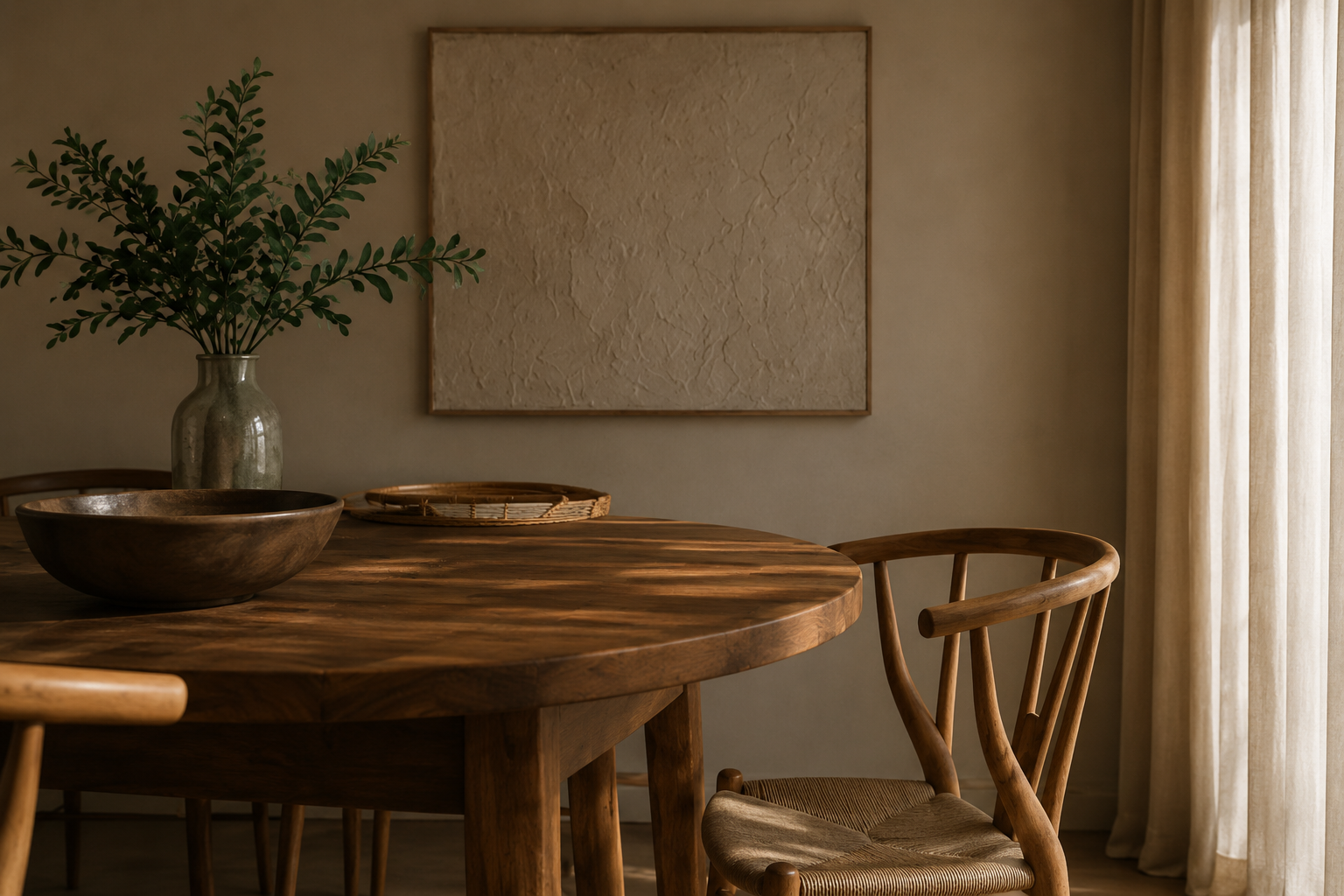
The dining table that has witnessed celebrations, difficult conversations, and countless ordinary evenings.
None of these moments were designed.
Yet together they become the narrative of home.
This perspective is supported by research in environmental psychology, which consistently shows that our attachment to home is formed not simply through architecture or aesthetics, but through lived experience, relationships, memories, and identity. A house becomes meaningful because life unfolds within it.
Leave a Reply